Photo credit: DWI
Rich History, Rural Charm
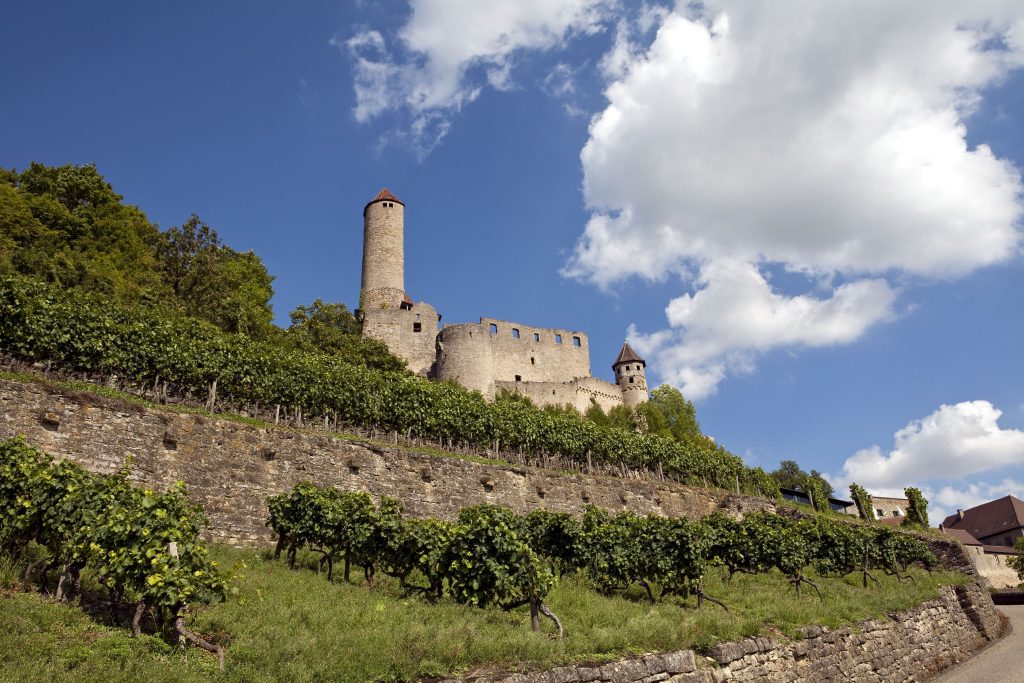
Photo credit: DWI
If you’re unfamiliar with Württemberg, you’re not alone, but there are many reasons to love Germany’s fourth-largest wine region. For starters, Württemberg drinks the most wine in the country—and the majority of wine produced in the region is enjoyed right where it’s made. And the region is steeped in history. The first written mention of winemaking dates to 766, and by the sixteenth century, Württemberg wines were known and appreciated far beyond its borders.
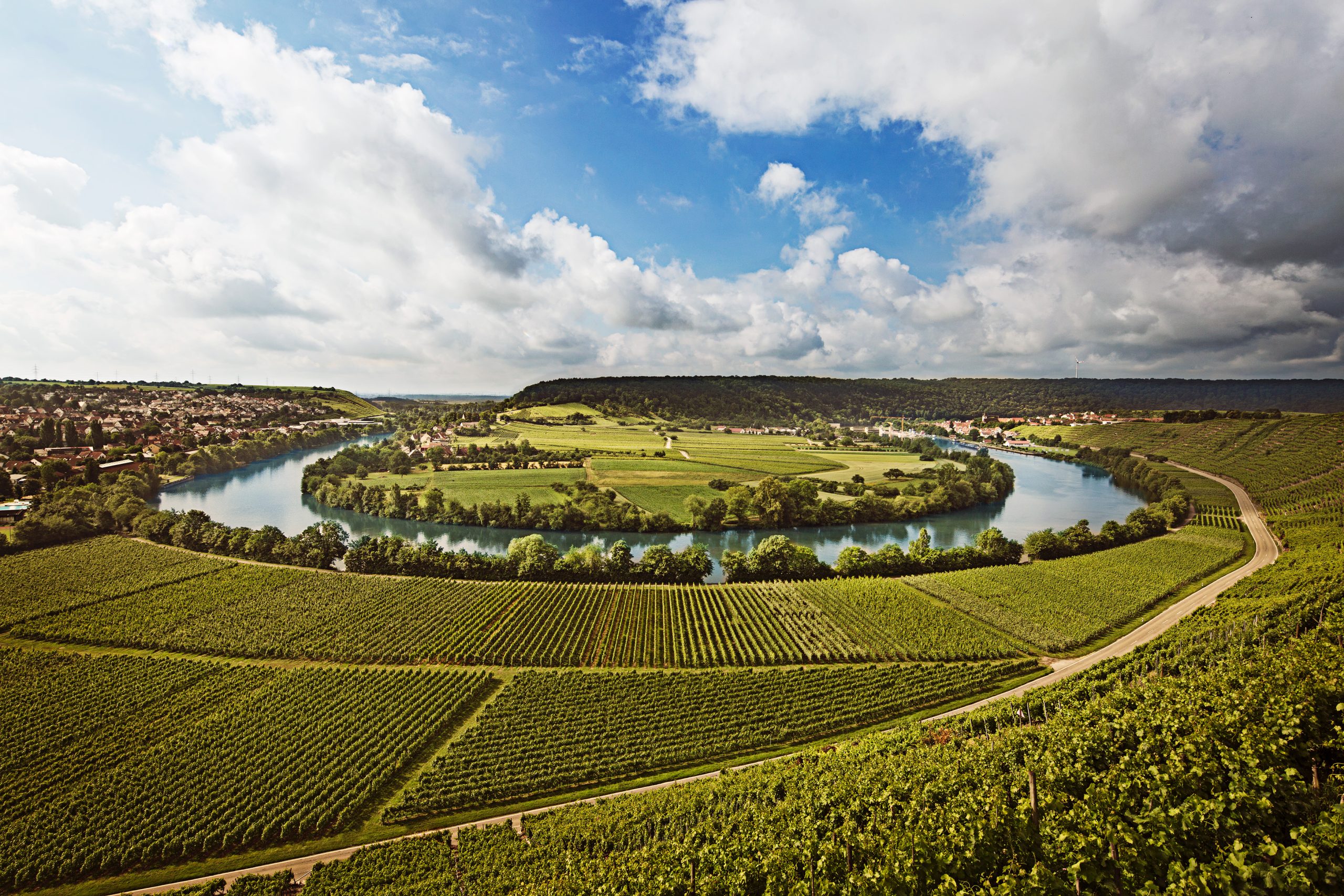
A visit to Württemberg brings this heritage to life. Medieval castles, ancient monasteries and half-timbered towns dot a landscape shaped by centuries of viticulture. Known today as Germany’s premier red wine region, Württemberg encompasses nearly 30,000 acres of vineyards planted along the valleys of the Neckar River and its tributaries. Rolling hills, terraced slopes and peaceful rural countryside sit against the backdrop of the lush Black Forest, offering a setting as unique as the wines themselves.
Racy Rieslings and Refreshing Reds

Photo credit: DWI
Württemberg is best known for Trollinger, a red grape grown almost exclusively in this region. Light-bodied, bright, and easy-drinking, it’s often called the “Swabian national drink” and is best enjoyed chilled. Close behind is Lemberger (also known as Blaufränkisch), a late-ripening variety that can produce a range of reds, from lively and fruit-forward to deeper, more structured wines with notable tannins. These two grapes frequently appear in blends and are often used to produce rosé.
The region’s terraced, steep vineyards are carved into valleys and can only be tended by hand. As a result, winegrowers primarily cultivate small yields. In fact, four out of five growers farm fewer than three acres, and many are part-time vintners who deliver their harvest to one of Württemberg’s more than 50 cooperatives.
While red grapes still dominate, white wine is gaining ground, now accounting for roughly 35% of Württemberg’s vineyard area. Riesling leads the way, joined by Kerner, a refreshing, aromatic crossing of Germany’s beloved Trollinger and Riesling grapes.
A New Generation Flips the Script
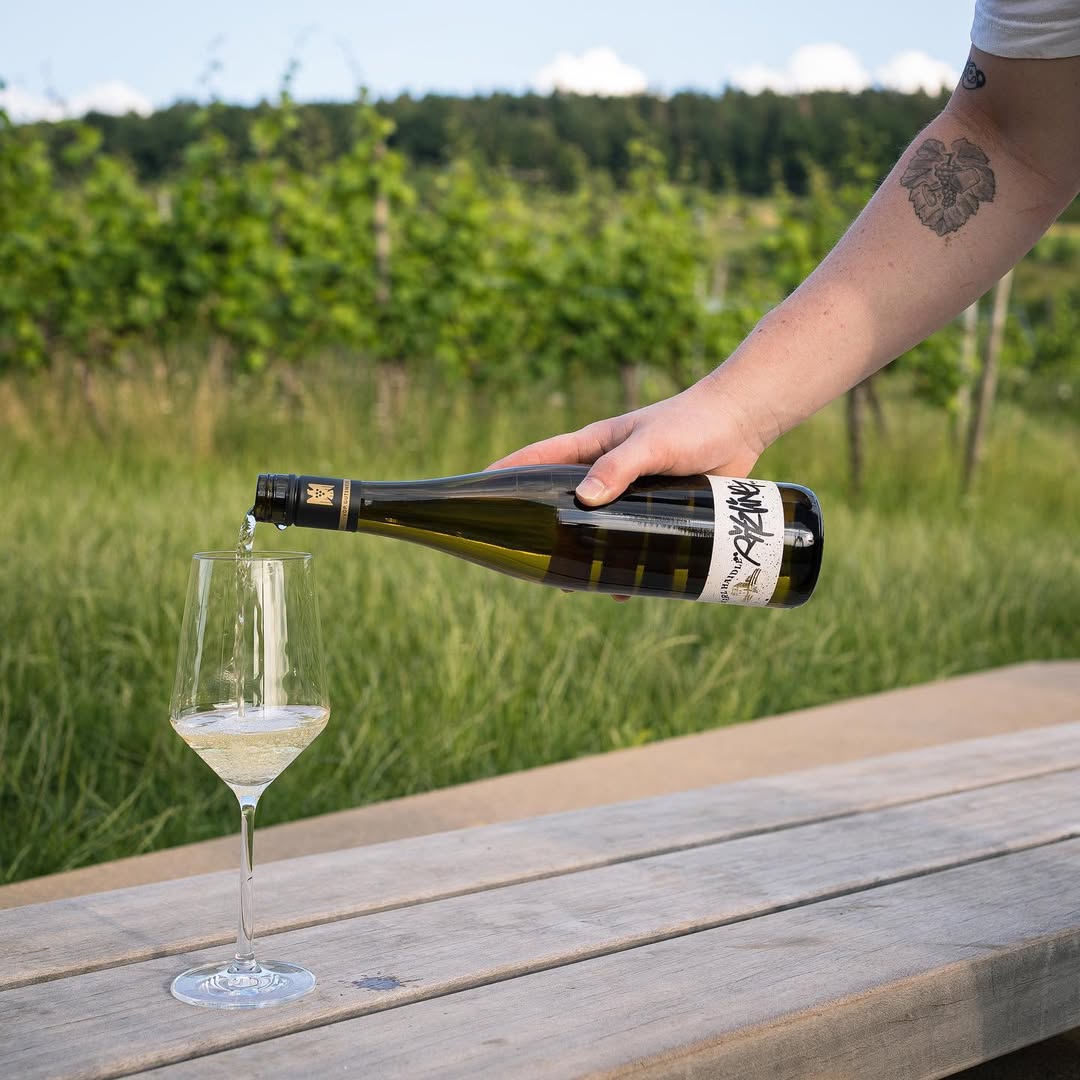
Photo credit: Weingut Karl Haidle
While Württemberg was long known as a region that drank what it produced, a new wave of young, quality-driven winemakers is reshaping that reputation. They’re rethinking vineyard management and increasingly prioritizing organic and biodynamic farming practices. In the cellar, they blend modern techniques with old-world methods; in the glass, minimal intervention keeps the region’s distinctive terroir front and center.
As a result, Württemberg wines are capturing the attention of enthusiasts far beyond the region’s borders. And while these bottles remain a local treasure, the momentum and creativity of this next generation are rightfully placing Württemberg on the global wine map.
Wurttemberg Wines To Try
Ready to experience Württemberg for yourself? Here are a few bottles available in the United States to transport you to southern Germany’s best-kept secret.
- 2022 Weingut Lassak Riesling: A dry, racy Riesling from a rising star in the region, with laser-like acidity and vibrant notes of green apple and citrus. Certified organic and farmed biodynamically from less than three hectares of vines, this wine proves that Riesling shines across all 13 of Germany’s wine regions.
- 2024 Beurer Rosé Trocken: A blend of Spätburgunder (German Pinot Noir) and lesser-known varieties like Trollinger, Portugieser, and Zweigelt, all farmed biodynamically and fermented with native yeast. High acidity and minerality, combined with aromas of ripe strawberries, red cherries, and delicate floral notes, lead to a crisp and refreshingly pure rosé.
- 2022 Karl Haidle Trollinger: Best enjoyed chilled, this biodynamic bottle showcases the best qualities of Württemberg’s signature variety: soft tannins, notes of cherries, and a delightfully dry finish. The Trollinger grapes are handpicked from over 30-year-old vines for an extra hint of complexity.
- 2020 Rainer Schnaitmann Steinwiege Lemberger: With its deep, cherry-red color and unique notes of wild herbs, eucalyptus, thyme and juniper, this wine showcases all the best qualities of Lemberger: juicy yet elegant and endlessly pairable for everyday enjoyment.
Keep up with the latest in Bordeaux and German wine by following Clink Different on Instagram and Facebook.