Photo Credit: Regal Wine Imports
Meet Pauline Lurton
Estate: Château Reynier
Region: Entre-Deux-Mers
Focus: Silvaner, Cabernet Sauvignon, Merlot, Muscadelle, Sauvignon Blanc, Semillón
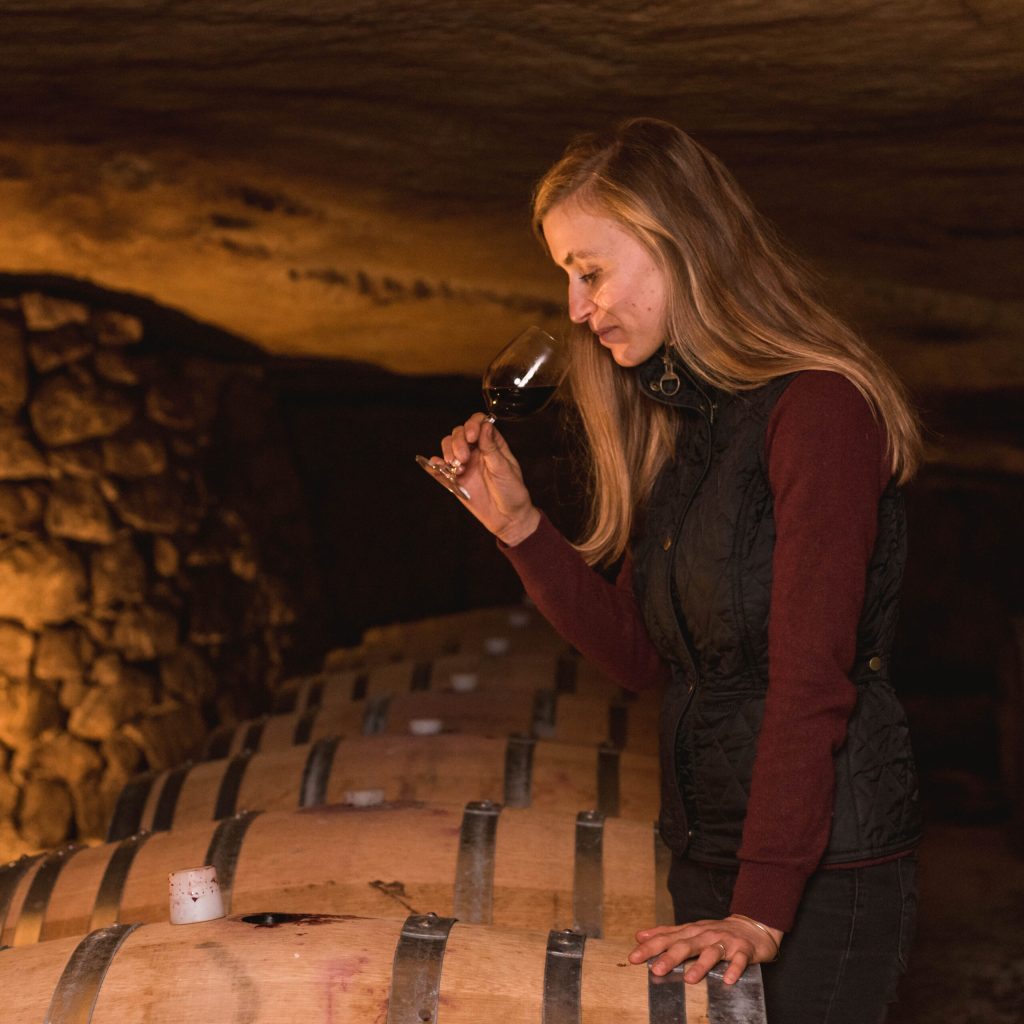
Photo Credit: Regal Wine Imports
Background
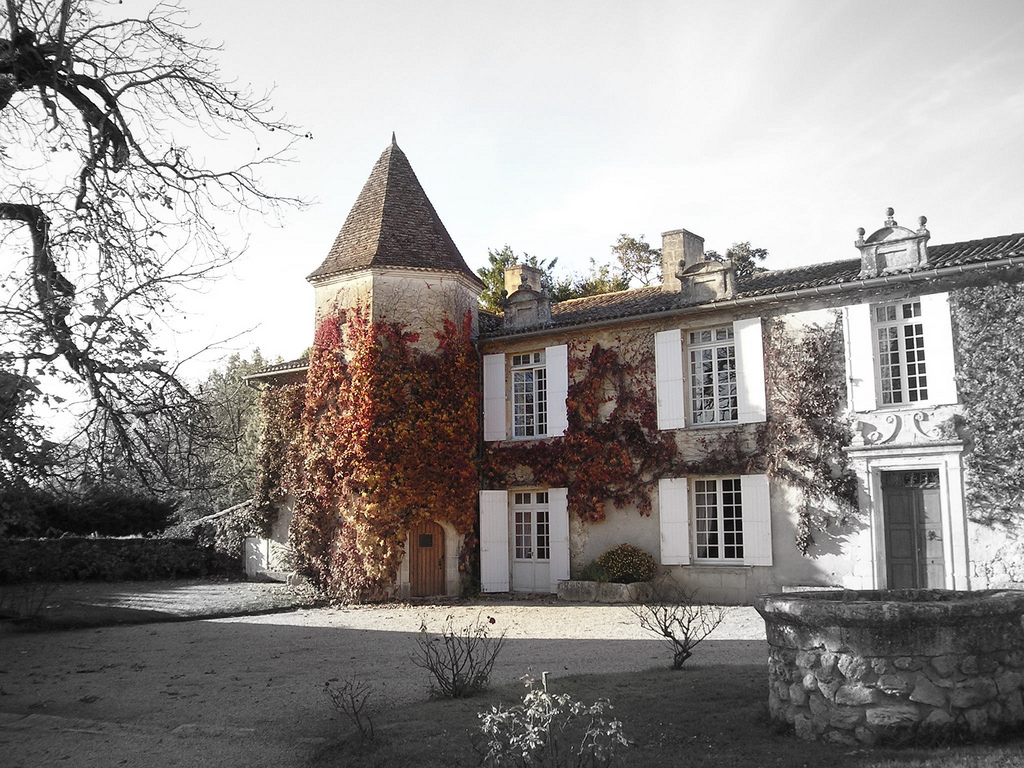
Château Reynier, one of Bordeaux’s oldest continuously operating wineries, has been family-owned and producing wine since the mid-19th century. Today, the estate is guided by Marc and Agnes Lurton, with their daughter Pauline representing the sixth generation. Marc inherited the château from his father in 1980 and assumed full leadership in 1997.
Pauline’s connection to winemaking began early. Raised among the vines, she spent her childhood helping in the vineyard and cellar, developing both skill and affection for the craft. Beyond wine, she trained as a ballet dancer and even performed with the Boston Ballet before returning to France to attend business school. After gaining work experience in the United States, she returned to the family estate in 2019. Now working closely alongside her parents, Pauline is steadily preparing to carry Château Reynier into its next generation as its future successor.
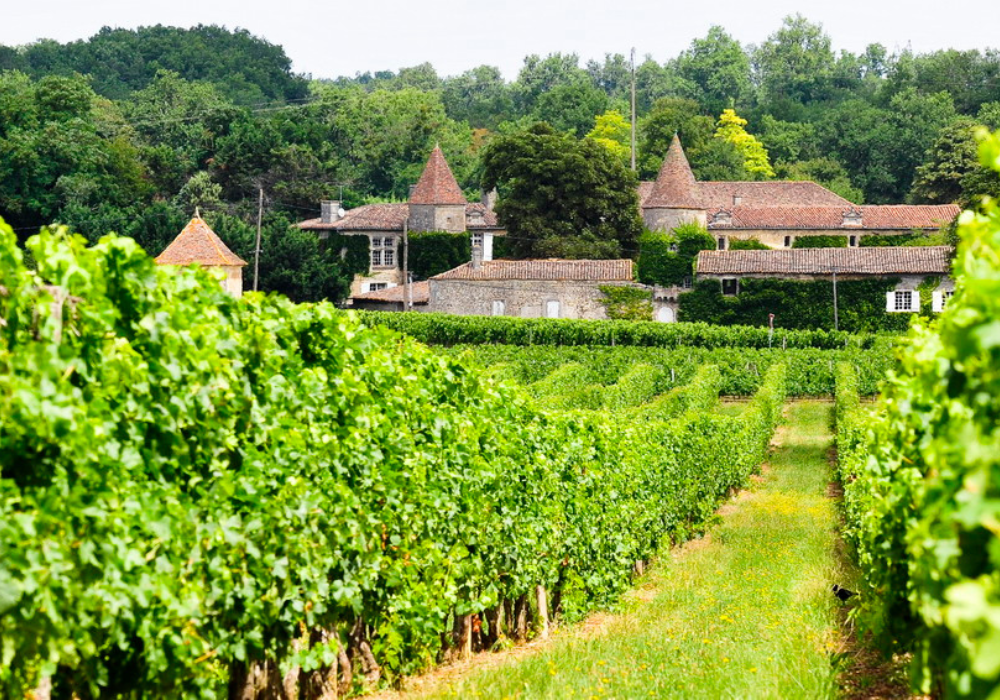
Photo Credit: Château Reynier
Vineyards
Château Reynier’s vineyards thrive in limestone and clay soils. Here, the vines grow in a remarkably thin layer of clay, enabling their roots to push deep into the soft limestone below, where they draw natural moisture and the minerality that defines the estate’s wines.
The vineyards are planted at a high density of about 2,000 vines per acre, with each vine producing just five to six grape clusters—approximately the equivalent of a single bottle of wine. This naturally low yield keeps the vines healthy and concentrates both flavor and structure in the fruit.
Spread across 99 acres, the estate is planted predominantly to Cabernet Sauvignon and Merlot (90%), with the remaining 10% devoted to Sauvignon Blanc, Sémillon and Muscadelle. All vines grow on gently sloping parcels that benefit from the estate’s distinctive clay-limestone terroir.
When Marc took over leadership in 1997, he oversaw several major improvements, including the installation of a spring frost-protection system and a natural wastewater treatment plant. Today, each plot and each grape variety is vinified separately, and fermentations are guided by the grapes’ own natural yeasts and bacteria, which also play an essential role in the health and evolution of the vines.
The estate’s commitment to responsible farming runs deep. Sustainable practices began in 1980, with organic viticulture adopted in 2014. By 2021, the entire vineyard had transitioned to organic farming, with full Organic Certification in 2024. Since 2019, Château Reynier has also held HEV (High Environmental Value) certification, underscoring its dedication to environmental stewardship.

Photo Credit: Château Reynier
Wines
Beyond the vineyards, the magic of Château Reynier continues in the cellar. In 1997, as part of a broader wave of improvements, the Lurton family revitalized the château’s underground stone caves—historic limestone cellars originally carved from the rock used to build the 15th-century fortified manor above. Today, these naturally cool, humid caves provide ideal conditions for aging the wines in oak barrels.
Overall, the estate produces an impressive range of red and white wines, with standout bottlings including:
- Château Reyneir Blanc: A refined blend of 60% Sauvignon Blanc, 30% Sémillon, and 10% Muscadelle, this dry white Bordeaux is crafted to highlight freshness, aromatics and texture. The wine is gently pressed, fermented at cool temperatures, and aged on fine lees for added depth.
- Château Reyneir Rouge: A balanced blend of 50% Merlot and 50% Cabernet Sauvignon, this cuvée is crafted from carefully selected parcels vinified separately. After classic Bordeaux fermentation and a long maceration for added depth, the wine undergoes malolactic fermentation and ages for 12 months in French oak barrels in the historic stone cellar.
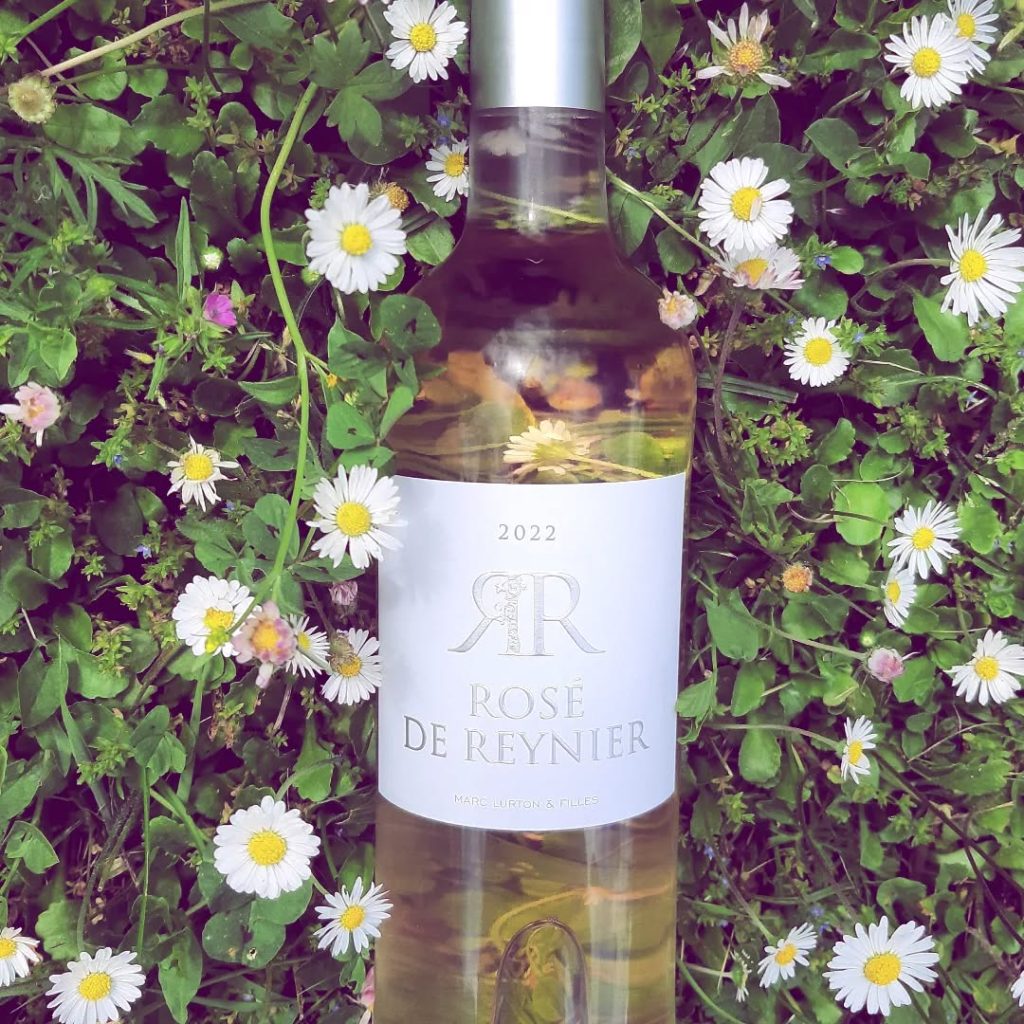
Photo Credit: Château Reynier
Rose de Reynier
As Pauline’s role has grown, she has brought fresh creative energy to the cellar. One of her most notable contributions is the development of a new rosé—a project that required patient, cross-generational collaboration. Marc was initially hesitant, protective of the estate’s long-established aromatic style. But after two years of conversation and experimentation, Rosé de Reynier was born: a pale, golden-blush rosé with citrus and white-flower aromatics, a fruit-forward mid-palate, and a long, bright, acid-driven finish.
Creating a paler, more modern rosé reflects not only an attunement to evolving consumer preferences, but also the estate’s willingness to innovate within Bordeaux’s traditional winemaking culture. It’s just one illustration of where Château Reynier is headed—and of Pauline’s growing influence as its next steward.
“It’s within our deep Bordeaux roots that we find our greatest strength and inspiration.”
Explore more from Château Reynier
U.S. importer: Regal Wine Imports
Thirsty for more? Follow Clink Different’s Instagram and Facebook to stay up-to-date on the latest blogs and upcoming events.